
Imagine feeling perfectly healthy—no headaches, no dizziness, no unusual fatigue—while a dangerous condition steadily damages your heart, brain, and kidneys. That’s the essence of why high blood pressure often goes undetected for years. This stealthy health threat, often referred to as silent hypertension, can harm your body long before hypertension symptoms become obvious.
The Nature of the Silent Monster
Many people don’t realize they have undiagnosed high blood pressure because it rarely presents dramatic warning signs. According to CDC estimates, about 16% of U.S. adults with hypertension were unaware of their condition between 2011 and 2014, a notable improvement from previous decades but still significant. Without symptoms or regular monitoring, individuals may remain oblivious to their elevated numbers for years, even as damage accumulates quietly.
Why It Often Slips Through the Cracks
Routine screening gaps also contribute to this problem. A Stanford-led review of medical practice revealed that blood pressure was recorded in only 56% of all patient visits—highlighting a systemic weakness even when patients see healthcare providers regularly. Beyond clinical oversights, many adults, especially young people, don’t seek frequent checkups, and early signs of high blood pressure can be subtle or easily dismissed.
Real-World Insight: Young Adults at Higher Risk of Missed Diagnosis
Consider young adults whose blood pressure remains unchecked over time: one study of patients aged 18–39 found that after four years, only 56% of 18–24‑year‑olds meeting hypertension criteria had been formally diagnosed. Contributors to delayed diagnosis included lifestyle factors like tobacco use and language or cultural barriers. This delay in detection can allow early signs of high blood pressure to continue unnoticed until more serious complications emerge.
In the world of cardiovascular health, undiagnosed high blood pressure isn’t just a statistic—it’s a silent assailant that thrives in invisibility. As we continue, we’ll explore how to recognize indirect clues, leverage smarter screening approaches, and empower individuals to break the silence before it’s too late.
Recognizing the Unseen: Indirect Clues of Silent Hypertension
Silent hypertension, a term aptly describing the elusive nature of undiagnosed high blood pressure, poses serious health risks precisely because it often manifests without apparent warning signs. While it might not present overt symptoms, this condition can subtly impact the body over time. The early signs of high blood pressure might be so mild that individuals dismiss them as normal aging or stress-related issues.
For instance, persistent headaches, shortness of breath during minor physical exertion, or frequent nosebleeds can be overlooked as minor inconveniences. However, these are some of the potential hypertension symptoms warranting attention. Though not exclusive to high blood pressure, they can hint at underlying issues that require medical evaluation.
Leveraging Technology for Early Detection
Given the silent nature of this condition, regular blood pressure screenings are critical. Advances in health technology provide innovative solutions to enhance early detection. Wearable devices that monitor blood pressure continuously can alert users to abnormal readings, encouraging timely medical consultations. Many professionals and health facilities use digital health platforms to streamline patient data and improve screening processes, facilitating proactive management of hypertension. These technologies empower individuals to take charge of their health by providing accessible tools for monitoring and engagement.
Case Study: Proactive Community Screening Programs
Community health initiatives offer compelling examples of successful hypertension management. Programs focusing on mass screening have significantly reduced the number of undiagnosed cases. For example, a community health campaign in a major city implemented routine neighborhood screenings, identifying nearly 30% of participants with previously undetected high blood pressure. This proactive approach not only raised awareness but also connected individuals with necessary healthcare resources. Research supports the effectiveness of such programs, demonstrating improved health outcomes and reduced hypertension-related complications.
Ultimately, the key to combating silent hypertension lies in increased awareness and regular health check-ups. Health professionals advocate for routine screenings as part of annual health assessments, especially for individuals over the age of 40 or those with risk factors like obesity and family history. Understanding the early signs and adopting preventative strategies are paramount in addressing this invisible threat head-on.
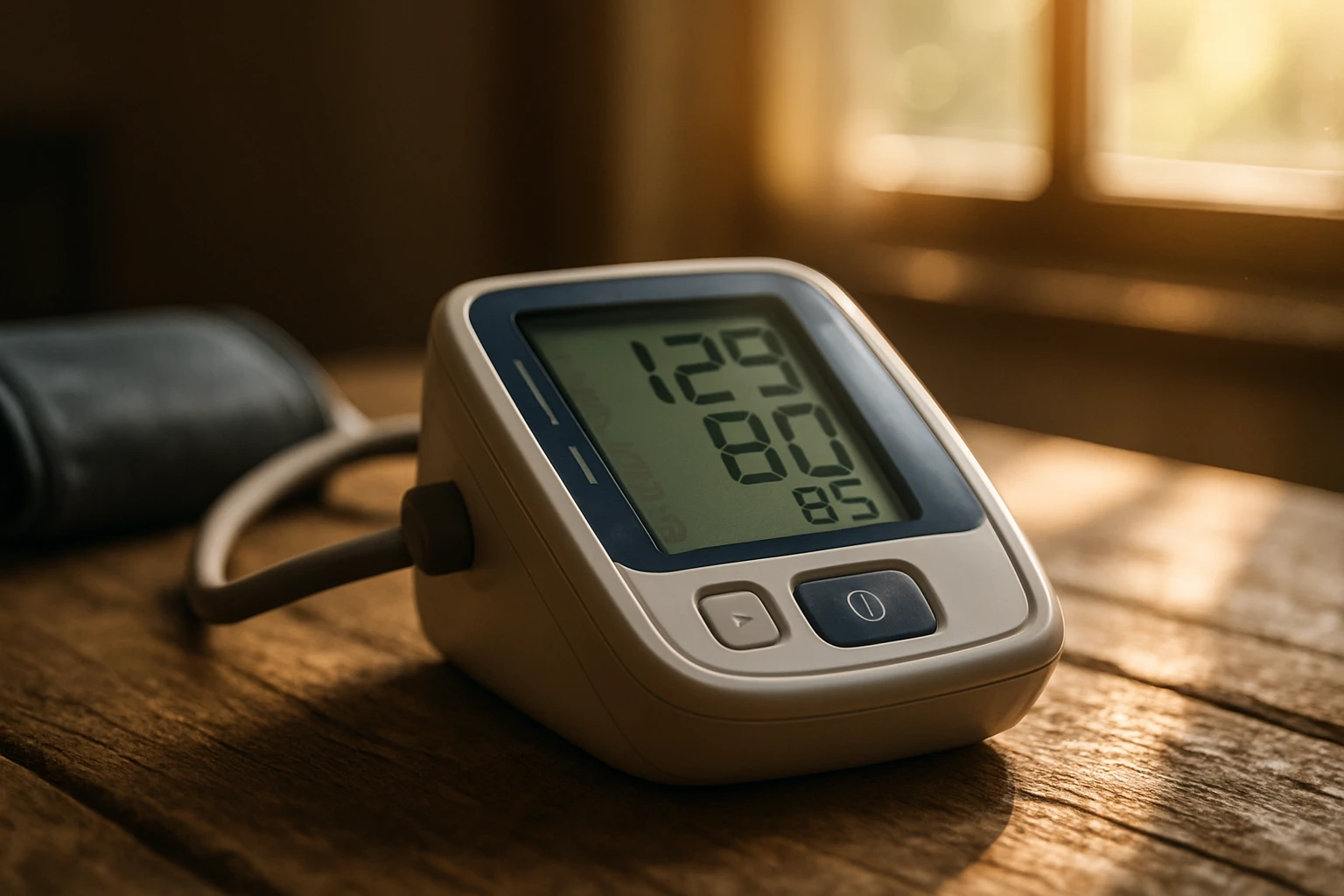
A close-up of a blood pressure monitor on a rustic wooden table, its digital screen displaying elevated numbers, with sunlight streaming through a nearby window, highlighting the device as an essential tool for detecting silent hypertension.
Conclusion: Taking Proactive Steps for Better Health
Recognizing the gravity of silent hypertension is pivotal in preventive healthcare. Often undetected due to its subtle nature, undiagnosed high blood pressure silently compromises your well-being. It’s crucial to acknowledge that the absence of apparent hypertension symptoms doesn’t equate to absence of risk. Many individuals may remain unaware until a severe health event occurs, highlighting the need for regular monitoring.
Empower Yourself with Knowledge and Actions
The journey towards optimal health begins with awareness and consistent actions. Routine check-ups are invaluable; they serve as a frontline defense against uncovering the early signs of high blood pressure. Investing in an at-home blood pressure monitor can offer continual insights into your vascular health, allowing you to detect fluctuations early and consult healthcare professionals promptly. Embracing a heart-healthy lifestyle—incorporating balanced diets and regular exercise—can significantly mitigate risks.
Partnering for Health: Professional Guidance
Engaging with healthcare professionals ensures you receive personalized guidance tailored to your specific needs. For comprehensive support in managing and understanding your blood pressure, consider leveraging the expertise offered by platforms like Beek Health. Their resources and expert team can assist in formulating strategies that foster better heart health and well-being, providing you with a roadmap to manage and monitor your blood pressure effectively.
A Call to Action: Prioritize Your Health Today
Your health journey is a priority that requires immediate action. Regularly monitoring your blood pressure, understanding potential symptoms, and seeking professional advice are steps you can take right now. By doing so, you actively combat undiagnosed high blood pressure and protect your long-term health. Begin today by scheduling a health check-up and exploring the wealth of resources available through trusted health partners. Implement these strategies to safeguard yourself against the silent threat of hypertension and live a healthier, more informed life.