
BUN/Creatinine Ratio: Reading Between the Lines

Introduction How this ratio reveals what BUN and creatinine alone cannot tell you. The BUN-to-creatinine ratio is a detective tool. While BUN and creatinine are both kidney function markers, the ratio between them reveals the cause of abnormal values. A high ratio suggests your kidneys are working, but you’re dehydrated. A normal ratio with elevated […]
Blood Urea Nitrogen (BUN): What It Tells You

Introduction Understanding this kidney function marker and why it matters alongside creatinine. Blood Urea Nitrogen (BUN) is a breakdown product of protein metabolism. Your body converts proteins into amino acids, which are metabolized, creating urea as a waste product. Your kidneys filter urea from your blood into urine for excretion. When your BUN level is […]
Biological Age: How Old Is Your Body Really
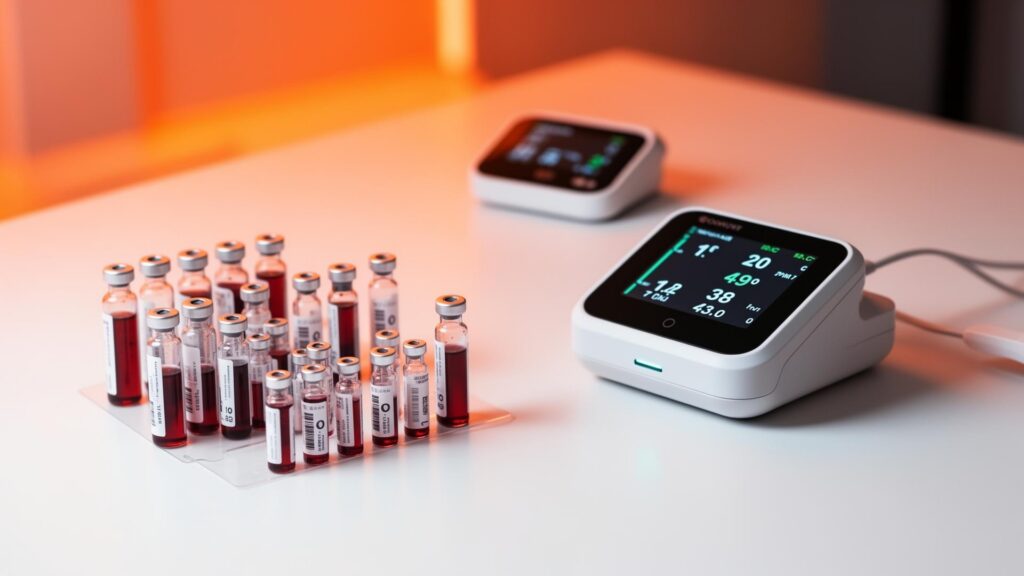
Introduction Understanding the aging clock that predicts longevity beyond calendar years You may be 50 years old chronologically, but your body might be aging like a 60-year-old—or, conversely, like a 40-year-old. Biological age (also called epigenetic age or aging clock) measures how fast your cells are aging based on molecular markers like DNA methylation patterns, […]
Basophils: The Rarest White Blood Cells

Introduction Understand the role of basophils in allergic reactions, mast cell disorders, and what elevated basophil counts tell you about your immune response. Basophils are the rarest white blood cells in your body—typically comprising less than 1% of your total WBC count—but they punch above their weight when it comes to allergic reactions. These cells […]
AST: Liver Damage or Something Else?
Introduction Decode AST results and understand what this enzyme tells you about your health beyond the liver AST (aspartate aminotransferase) is an enzyme found in multiple tissues: your liver, heart, muscles, brain, and kidneys. When AST appears in your bloodstream at elevated levels, it indicates damage or stress to one or more of these tissues. […]
10-Year ASCVD Risk Score: Your Heart’s Crystal Ball

Introduction Understanding your cardiovascular disease risk and what the numbers mean for prevention Cardiovascular disease remains the leading cause of death globally, killing more people than all cancers combined. Yet the tragedy is that most heart disease is preventable. The American College of Cardiology and American Heart Association developed the ASCVD (Atherosclerotic Cardiovascular Disease) Risk […]
ApoE Gene: What It Means for Alzheimer’s and Heart Risk

Introduction Understanding your genetic predisposition to cognitive decline and cardiovascular disease Your ApoE (apolipoprotein E) gene is one of the most powerful genetic predictors of both Alzheimer’s disease and cardiovascular disease risk. You inherit two copies of the ApoE gene—one from each parent. Each copy is either e2, e3, or e4, creating nine possible combinations […]
Apolipoprotein B (ApoB): What Your Results Mean

Introduction Interpret your ApoB test and understand what it reveals about your cardiovascular particle risk. Understanding your apolipoprotein b (apob): what your results mean is essential for comprehensive cardiovascular health management. This biomarker provides valuable insight into your risk profile and guides targeted interventions. What Is Apolipoprotein B (ApoB)? This marker measures key aspects of […]
Are Annual Check-Ups Enough? The Case for Personalized Screening Schedules

Introduction One size fits all doesn’t work for healthcare. Your screening frequency should match your actual risk—not just tradition. The annual physical is a healthcare tradition. Every January, millions of people schedule their yearly check-up, get their labs done, and assume they’re set for another year. But here’s the uncomfortable truth: for many people, annual […]
ALT: Liver Enzyme Levels and What They Mean

Introduction Understand ALT levels, what they reveal about your liver health, and when to take action. When your doctor mentions ALT, they’re talking about alanine aminotransferase—an enzyme primarily found in your liver that enters your bloodstream when liver cells are damaged or stressed. Think of ALT as your liver’s distress signal. Unlike some biomarkers that […]