
For many of us, the healthcare system feels straightforward: get an annual check-up, screen your cholesterol at 40, test your blood sugar every three years—if at all.
These standard, guideline-based recommendations were designed for simplicity and broad public health coverage.
But there’s a problem: they assume everyone is the same.
In reality, your genetics, lifestyle, biomarkers, and personal risk factors may demand earlier, more frequent, or more customized monitoring than standard screening timelines allow.
Relying only on age-based checklists could mean missing silent trends that threaten your long-term health.
In this blog, we’ll unpack the difference between guideline-based care and regular health monitoring, and why combining both can empower you to stay ahead of chronic disease.
Guideline-Based Care: Important, But Incomplete
Most national organizations like the CDC, U.S. Preventive Services Task Force (USPSTF), and the American Heart Association (AHA) provide screening schedules based on age and broad risk categories.
For example:
| Guideline-Based Test | Recommended For | How Often |
| Blood pressure | Adults 18+ | Every visit or 1–2 years |
| Cholesterol panel | Adults 20+ (or earlier if at risk) | Every 4–6 years |
| A1C or glucose | Adults 35+ or those at risk | Every 3 years |
| Colonoscopy | Adults 45+ | Every 10 years |
| Mammogram | Women 40–50+ | Every 1–2 years |
Strengths:
- Based on large-scale evidence
- Covered by insurance
- Easy to implement at scale
Limitations:
- Ignores individual variability
- May miss early disease markers
- Often reactive instead of preventive
In short: guidelines are a useful safety net—but they’re not a full health strategy for people who want more personalized prevention.
What Is Regular Health Monitoring?
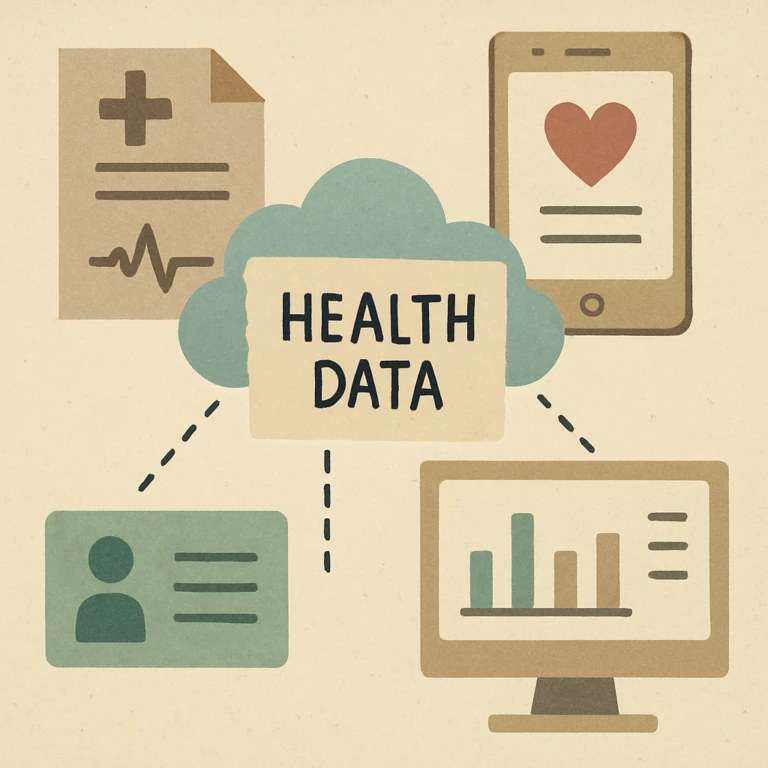
Regular health monitoring involves tracking key health metrics more frequently than traditional guidelines suggest—often using home devices, wearables, and digital health tools.
Examples include:
- Checking A1C every 3–6 months if you’re at risk, not every 3 years
- Measuring waist circumference or body fat percentage monthly, not just yearly weight checks
- Using smartwatches or sensors to monitor heart rate variability, glucose, or sleep quality
- Logging trends in diet, stress, and exercise habits over time
This proactive approach allows you to spot trends early—often before a condition fully develops—making prevention much more effective.
Think of it this way: You wouldn’t only service your car once a year—why do that with your body?
Why Regular Monitoring May Be More Effective
Frequent health monitoring offers several powerful benefits:
| Benefit | How It Helps |
| Detects risk early | Identifies problems before they become conditions |
| More personalized | Adjusts based on your unique biomarkers and habits |
| Tracks interventions in real time | Measures how diet, exercise, or stress changes impact your labs |
| Empowers behavior change | Frequent feedback increases accountability and motivation |
| Bridges gaps between doctor visits | Keeps you informed and proactive |
Rather than waiting for a yearly lab panel, regular monitoring keeps you engaged with your health every day, every week, every month.
When to Use Monitoring vs. Guidelines (Or Both)
You don’t have to choose between guideline-based care and regular monitoring. The smartest strategy often uses both.
Ask yourself:
- Do you have risk factors like high blood pressure, prediabetes, or family history of heart disease?
- Are you actively working on weight loss, fitness, or metabolic health?
- Have you had “normal” labs but still feel off (fatigue, brain fog, low energy)?
- Are you trying to optimize for longevity, not just avoid disease?
- Do you value personalized, data-driven decisions over one-size-fits-all advice?
If you answered “yes” to two or more, regular health monitoring could give you the insight—and the edge—you’re looking for.
Real-World Examples: How Monitoring Catches What Guidelines Miss
| Scenario | Guideline Suggests | Regular Monitoring Reveals |
| A1C of 5.6% | “Normal, recheck in 3 years” | Trend toward prediabetes—intervene now |
| BMI of 25 with high visceral fat | “Overweight, monitor annually” | Elevated metabolic risk—needs action |
| Normal cholesterol but rising ApoB or Lp(a) | “No treatment needed” | Hidden heart risk—requires closer watch |
| Slightly high blood pressure (120–129) | “Watch and wait” | Early-stage hypertension—address early |
Each of these cases shows how waiting for thresholds can delay intervention—and how regular monitoring can drive smarter, earlier action.
How to Build Your Own Smarter Monitoring Plan
Personalized health tracking doesn’t mean testing everything constantly—it means being strategic based on your personal risks and goals.
Key markers to consider tracking:
| What to Track | Why It Matters |
| A1C and fasting glucose | Catch early blood sugar dysregulation |
| Blood pressure (home + clinical) | Spot hypertension before damage occurs |
| Lipids, ApoB, and Lp(a) | Deepen your understanding of heart disease risk |
| Body composition | Track fat vs. muscle, not just BMI |
| Lifestyle habits (sleep, stress, exercise) | Understand drivers behind lab changes |
Frequency and choice of tests should depend on your unique story—not just your birthday.
How Beek Health Helps You Move Beyond Static Guidelines
Beek Health empowers you to take a smarter, more personalized approach to prevention:
- Track trends in blood sugar, blood pressure, lipids, body composition, and more
- Access advanced labs like ApoB and Lp(a) that go beyond standard screening
- Receive personalized recommendations tied to your risk factors and goals
- Work with prevention-focused professionals who value early action, not just damage control
With Beek, you’re not just reacting to problems—you’re proactively steering your long-term health.
Final Thoughts: Are Guidelines Enough for You?
Standard health guidelines were designed for the average person—but you are anything but average. If you want better-than-average outcomes, you need more than a checklist. You need a personalized, proactive approach to your health.
Regular health monitoring moves you from reacting to problems to preventing them. It allows you to catch subtle changes early, refine your habits in real time, and make informed decisions based on your unique body—not just your birthdate.
Health isn’t something that happens to you. It’s something you build, day by day, through the choices you make and the data you track.
Beek Health makes it easier than ever to turn that vision into reality—offering you the tools, insights, and expert support to move beyond one-size-fits-all care toward truly personalized prevention.
Your best health story won’t be written by guidelines. It will be written by you.
References
- U.S. Preventive Services Task Force (USPSTF). (2023). Screening Guidelines
- CDC. (2023). Preventive Care and Wellness Recommendations
- American Heart Association (AHA). (2023). Personalized Prevention
- Mayo Clinic. (2023). When to Get Tested