Do You Really Need a Pill to Lower Cholesterol?
More than 94 million adults in the U.S. have high cholesterol, and for many of them, the first solution offered is a prescription. But here’s the truth: lifestyle changes can often lower cholesterol as much as medications like statins—sometimes even more effectively.
Before jumping to medication, it’s important to know your options. In this article, we’ll break down the most effective, evidence-based ways to lower cholesterol naturally, how to assess whether you can manage your lipids without medication, and when it might be time to consider adding a prescription as part of a broader prevention strategy.
Understanding Cholesterol and Why It Matters
Cholesterol often gets a bad reputation, but it’s essential for building cells and producing hormones. Problems arise when there’s too much low-density lipoprotein (LDL), known as “bad” cholesterol, circulating in the blood. Over time, LDL can form plaques in the arteries, raising the risk of heart attack and stroke.
Here’s a quick look at the major players:
| Cholesterol Type | Function | Ideal Range |
| LDL (“Bad”) | Can build up in arteries and cause plaque | Below 100 mg/dL |
| HDL (“Good”) | Helps remove LDL from bloodstream | Above 60 mg/dL |
| Triglycerides | Store unused calories as fat | Below 150 mg/dL |
| Total Cholesterol | Combination of LDL, HDL, and triglycerides | Below 200 mg/dL |
While medications like statins can lower LDL, many people can achieve significant improvements through daily habits—without facing potential medication side effects.
Lifestyle Changes That Lower Cholesterol Naturally
Lifestyle approaches don’t just manage cholesterol—they improve your whole cardiometabolic profile.
Here’s what science shows works best:
- Increase Soluble Fiber Intake
Soluble fiber binds cholesterol in the gut, helping to remove it from your body. Foods rich in soluble fiber include oats, beans, lentils, apples, and flaxseed. - Prioritize Healthy Fats
Replacing saturated fats with healthy unsaturated fats can improve your HDL and lower LDL. Reach for olive oil, avocados, nuts, and fatty fish like salmon. - Reduce Saturated Fats and Processed Foods
Foods high in saturated fat—like red meat, butter, and fried foods—can drive up LDL production. Limiting these can make a meaningful difference. - Incorporate Plant Sterols and Stanols
These naturally occurring substances block cholesterol absorption in the intestines. You can find them in fortified foods, supplements, and some nuts. - Exercise Regularly
Physical activity raises HDL (“good”) cholesterol and lowers LDL and triglycerides. Aim for at least 150 minutes of moderate exercise per week, such as brisk walking, cycling, or swimming. - Lose Excess Weight
Even modest weight loss (5–10% of body weight) can lead to substantial improvements in cholesterol levels and heart disease risk. - Quit Smoking
Quitting smoking not only raises HDL but also improves overall heart health almost immediately. Benefits start within 20 minutes of quitting. - Limit Alcohol and Sugar Intake
Excessive alcohol and high sugar intake can raise triglycerides and promote fat storage. Limiting these can help keep your lipid profile in check.
Are You a Candidate for a Non-Medication Approach?
Not everyone needs medication right away. You might be a good candidate to try lifestyle changes first if:
- Your LDL cholesterol is elevated but still below 190 mg/dL
- You don’t have diabetes, known heart disease, or a very high ASCVD (Atherosclerotic Cardiovascular Disease) risk score
- You’re motivated to make and sustain dietary and physical activity changes
- You haven’t yet tried a structured nutrition or exercise program
- Your doctor agrees there’s time to attempt lifestyle changes first
If these apply to you, a dedicated 3–6 month trial of lifestyle modifications could make a real difference—and might eliminate the need for medication altogether.
Lifestyle vs. Medication: How to Decide
For some individuals, lifestyle changes alone will be enough.
For others—particularly those with very high LDL, diabetes, or existing heart disease—medication plus lifestyle gives the best protection.
| Approach | Best For | Key Considerations |
| Lifestyle Only | Mild to moderate LDL elevation, no major risk factors | Requires 3–6 months of consistency |
| Lifestyle + Medication | Very high LDL (>190), diabetes, high ASCVD risk | Medications complement, not replace, healthy habits |
The goal is always the same: reduce cardiovascular risk as much as possible, by whatever combination of strategies makes the most sense for your personal situation.
Common Questions About Natural Cholesterol Lowering
Can diet alone really lower LDL?
Yes. Studies show that focused dietary changes can lower LDL by 10–20% or more—sometimes comparable to low-dose statins.
Are supplements like red yeast rice effective?
Some supplements, such as red yeast rice, contain natural statin-like compounds and can lower LDL modestly. However, they’re less regulated and should always be used under medical supervision—not as a replacement for proven lifestyle approaches.
Can exercise improve HDL levels?
Absolutely. Aerobic exercise, strength training, and overall physical activity have all been shown to boost HDL and lower total cardiovascular risk.
The Role of Health Monitoring in Cholesterol Management
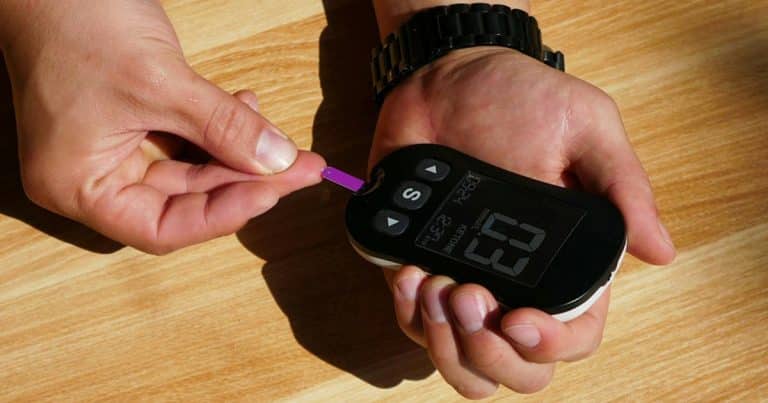
Tracking your numbers is critical—especially when relying on lifestyle changes.
By monitoring key biomarkers, you can see whether your efforts are working and catch any red flags early.
Key markers to track include:
- LDL and HDL cholesterol (direct indicators of heart disease risk)
- Triglycerides (often elevated with excess sugar or alcohol intake)
- Apolipoprotein B (ApoB) (a more precise marker of LDL particle number)
- Lipoprotein(a) (a genetic factor not typically changed by lifestyle)
- Blood Sugar (A1C and fasting glucose) (because high cholesterol and diabetes often go hand-in-hand)
Best practice is to check your lipid profile every 6–12 months when actively working on lifestyle changes, or more frequently if your doctor recommends it.
How Beek Health Can Help You Lower Cholesterol the Smart Way
Beek Health provides a comprehensive platform to help you tackle cholesterol naturally—and know when to seek extra support.
- Monitor your cholesterol trends: Track LDL, HDL, triglycerides, ApoB, and more over time
- Get personalized lifestyle guidance: Receive evidence-based recommendations tied to your unique lab results
- Consult with health professionals: When questions arise, get expert input on when lifestyle is enough—or when it’s time to consider medication
- Stay accountable to proven strategies: From nutrition and exercise to stress and sleep, Beek helps you build the daily habits that lower cholesterol sustainably
By combining self-monitoring, science-backed guidance, and professional support, Beek empowers you to make confident, informed decisions about your heart health.
Final Thoughts: Can You Lower Cholesterol Without Medication?
For many people, the answer is yes.
Lifestyle strategies—like eating more fiber, exercising regularly, managing weight, and cutting back on saturated fat—can dramatically improve cholesterol levels, reduce inflammation, and lower your long-term cardiovascular risk.
Before starting a medication, it’s worth investing 3–6 months into targeted lifestyle changes.
You might be surprised at how much progress you can make—and how good you can feel.
And with Beek Health by your side, you’ll have the tools, data, and support you need to stay on track.
References
- American Heart Association (AHA). (2023). Cholesterol Guidelines
- Mayo Clinic. (2023). Natural Ways to Lower Cholesterol
- National Institutes of Health (NIH). (2023). Lifestyle & Heart Health
- Cleveland Clinic. Cholesterol and Lifestyle