
In the complex landscape of healthcare, many individuals find themselves questioning the best ways to manage medical expenses. Amid rising insurance premiums and complex policy terms, there’s a growing trend toward paying cash for medical services. This approach, surprisingly cost-effective in certain scenarios, offers an alternative path for patients eager to avoid exorbitant insurance costs and high deductibles. For those wondering when paying cash for medical care actually makes more sense, having a firm grasp on the advantages and applications of this method is essential.
The Rise of Cash Payments in Healthcare
More healthcare consumers are opting for cash payments, especially when grappling with high deductible health plans. These plans can result in significant out-of-pocket expenses before insurance coverage kicks in. Over 30% of insured individuals have high-deductible plans, doubling the financial burden for many. In such cases, cash payment options can lower costs due to transparent pricing and the elimination of insurance middlemen. Patients often encounter lower rates when directly negotiating with healthcare providers, making cash payments a viable alternative to shield against unforeseen expenses.
When Cash Payments Make Sense
Determining when to pay cash for healthcare depends on several factors. Routine doctor visits or services such as diagnostic tests often have predictable pricing structures, allowing patients to weigh cash payment options against insurance coverage. For a cash pay doctor visit, transparency in pricing becomes crucial. For instance, independent lab tests and radiology services offer reduced rates for cash payments due to minimized operational costs related to insurance billing. A 2021 report by the Centers for Medicare & Medicaid Services found substantial cash payment savings, especially in non-emergency scenarios where negotiation is feasible. This emphasizes the importance of researching and inquiring about cash payment discounts with healthcare providers.
Benefits Beyond Cost
The advantages of cash payments extend beyond savings. Choosing to pay cash can enhance the quality of care, as many clinics prioritize cash-paying clients due to reduced administrative workload and quicker payment times. This arrangement can lead to more personalized care and faster service delivery. Furthermore, it streamlines record-keeping and avoids the administrative complexities inherent in insurance claims, making the healthcare process smoother for both patients and providers. Ultimately, weighing the potential benefits of out-of-pocket healthcare is crucial as it aligns financial and health priorities harmoniously.
Factors Influencing the Decision to Pay Cash for Healthcare
Understanding when to pay cash for healthcare involves evaluating various factors that could make this option more advantageous than using insurance. One significant consideration is the increasing prevalence of high deductible health plans (HDHPs), which often require substantial out-of-pocket spending before coverage kicks in. In such cases, a cash pay doctor visit could be more economical, allowing patients to save money while bypassing insurance hurdles.
An illustrative scenario involves elective or non-emergency procedures. Many patients opt to pay out-of-pocket for these services to access better pricing and quicker appointments. For instance, dermatological treatments or elective surgeries like LASIK often have competitive cash prices that are significantly lower than the insurance-negotiated rates. According to a study by the Health Care Cost Institute, cash payments can sometimes result in savings of up to 50% compared to traditional insurance billing.
Additionally, patients seeking specialized or alternative healthcare services might find paying cash more suitable. For example, many alternative medicine practitioners, including chiropractors and acupuncture therapists, operate outside conventional insurance networks. Paying directly can simplify the process, eliminate insurance claim delays, and foster a more direct patient-provider relationship. Such scenarios illustrate the strategic advantage of opting for out-of-pocket healthcare.
Leveraging Online Platforms for Cost Transparency
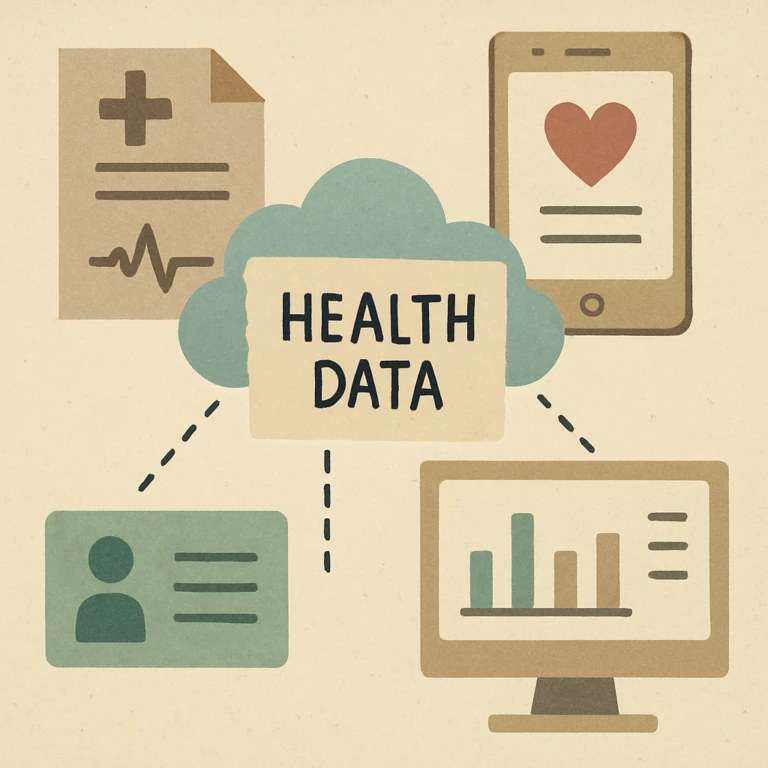
In today’s digital age, digital health platforms offer innovative solutions for individuals exploring cash payment options. These platforms provide tools and resources that enhance transparency in healthcare costs, allowing patients to compare prices and make informed financial decisions. Embracing these technologies not only empowers patients but also drives more equitable healthcare practices by promoting informed consumer choices.

Conclusion
Understanding when to pay cash for healthcare can result in substantial savings and offer more control over your medical expenses. For consumers grappling with high deductible health plans or extensive out of pocket healthcare costs, cash payments can provide a practical alternative. By directly negotiating prices with medical providers and opting for a cash pay doctor visit, patients can often secure lower rates and avoid surprise bills.
An example of the effectiveness of this approach can be seen in a study by the Healthcare Cost Institute, which found that patients paying cash for certain medical services saved up to 39% compared to those using insurance (Healthcare Cost Institute). This exemplifies the significant cost benefits that can be realized outside of traditional health insurance pathways.
To take full advantage of paying cash for healthcare, it’s essential to stay informed and proactive. Begin by discussing pricing upfront with your healthcare provider and asking for a cash discount. Additionally, utilizing resources like Beek Health can assist patients in navigating these payment options effectively and uncovering additional healthcare savings.
In summary, while insurance continues to play an essential role in healthcare, knowing when paying cash for medical care actually makes more sense empowers patients. It enhances financial clarity and provides opportunities to optimize medical expenses. As healthcare costs continue to rise, the flexibility afforded by cash payments can be a crucial element in a strategic healthcare and financial planning toolkit.