
Introduction
Imagine waking up each morning with concrete insights into how your last night’s choices are shaping your body’s inner workings. Instead of wondering whether your late-night snack, stressful commute, or restless sleep has consequences, you gain clarity through measurable data. Recent lab-based wellness models transform vague notions of health into precise actions—letting you see how your choices affect your biology. This feedback loop turns every meal, workout, and moment of rest into meaningful contributions toward your well-being.
From Abstract to Actionable: Making Health Visible
Traditionally, health advice often felt theoretical—you followed guidelines, hoping for positive changes that might never materialize. Today, advances in home testing and wearable lab technologies change this narrative. Individuals can monitor changes in cholesterol, glucose, or inflammatory markers in nearly real time. For example, a controlled trial showed that replacing meat with Quorn—a mycoprotein product—led to a 10% reduction in LDL (“bad” cholesterol), a 13% decrease in blood glucose, and a 27% drop in C‑peptide within just four weeks, offering vivid cause-and-effect clarity for dietary choices.
Why Real-Time Feedback Empowers Better Decisions
Empowering health insight isn’t just about immediate data—it’s about shaping behaviors through understanding. When individuals can correlate, for example, how sleep deprivation spikes inflammatory markers or how moderate-intensity exercise boosts insulin sensitivity, they’re more motivated to adjust habits. A meta-analysis found that regular exercise significantly improves insulin sensitivity in adults with type 2 diabetes mellitus, with effects persisting beyond 72 hours after the last session. These tangible results underscore how timely measurements translate into lasting lifestyle changes.
In this article, we will explore how monitoring the biological consequences of your choices—whether through at-home labs, clinical tracking, or wearables—invites a new era of proactive health. By turning abstract wellness into real-time feedback, you’re equipped to make smarter, data-informed decisions every day.
Ready to Take Control of Your Health Data?
Track your lab results in one place and understand how your biomarkers change over time. Get personalized insights and trending data.
The Science Behind Health Feedback
By examining the impact of lifestyle choices on your biology, you can turn theoretical health concepts into tangible outcomes. For instance, tracking dietary changes shows how they affect cholesterol levels or glucose. Numerous studies have emphasized that dietary adjustments can lead to a significant reduction in bad cholesterol levels, contributing to better heart health. According to the National Institutes of Health, a diet rich in fruits, vegetables, and whole grains can improve cholesterol numbers by 30% over time.
Additionally, the relationship between sleep, stress, and inflammation is paramount. Poor sleep and high stress levels are proven to elevate inflammation markers, which are associated with many chronic diseases. As research published in the Healthline suggests, managing stress through mindfulness and adequate sleep can significantly reduce inflammation, positively impacting overall well-being.
Exercise and Insulin Sensitivity
Exercise is a crucial component of managing insulin sensitivity. Regular physical activity can enhance the body’s response to insulin, making it easier to maintain healthy blood sugar levels. According to the Diabetes UK, just 30 minutes of moderate exercise per day can improve insulin sensitivity, helping prevent or manage type 2 diabetes.
Furthermore, the assessment of supplements and medications is also facilitated by tracking. See how your choices affect your biology through lab trends that convert health into actionable feedback. With such insights, you can determine if supplements or medications are truly beneficial. This cause-and-effect visibility, provided by platforms like Beek Health, enables users to see real-time results of their regimen adjustments, fostering a dynamic approach to health management.
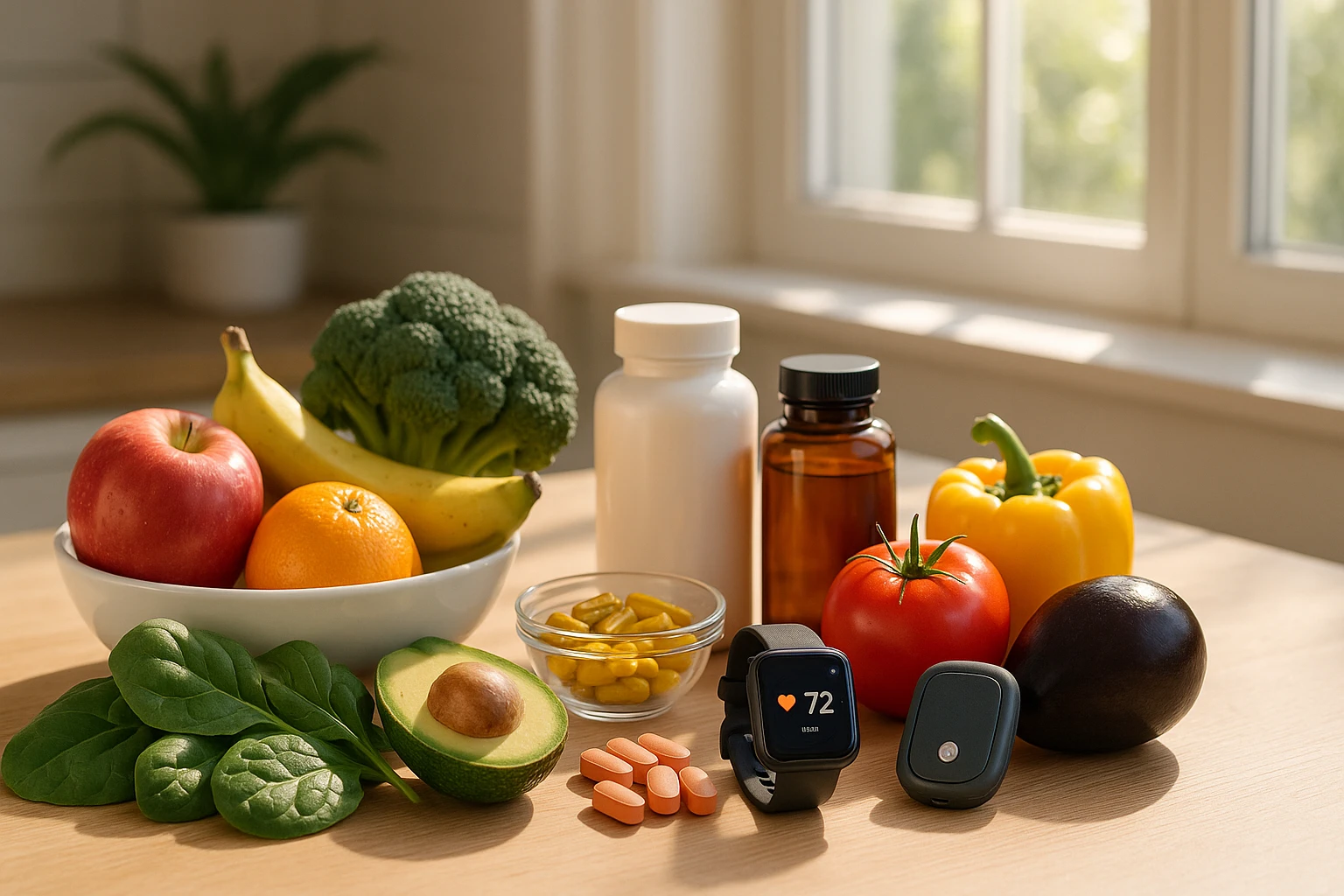
A kitchen counter with various fresh fruits, vegetables, supplements, and health tracking gadgets like a smartwatch and glucose monitor, set against a backdrop of sunlight streaming through a window.
Ready to Take Control of Your Health Data?
Track your lab results in one place and understand how your biomarkers change over time. Get personalized insights and trending data.
Conclusion: Take Charge of Your Health
Understanding the intricate relationship between lifestyle choices and biological responses can empower you to make informed decisions about your health. The ability to see how your choices affect your biology transforms abstract health concepts into tangible, actionable insights. By tracking how diet affects cholesterol or observing the impact of sleep on inflammation, you can tailor your lifestyle for better health outcomes.
Actionable Insights
To optimize your well-being, consider making small, data-driven changes. For instance, if a shift in diet affects your glucose levels, tweaking your intake could bring about desired results. Similarly, understanding how exercise influences insulin sensitivity allows you to create a workout regimen that maximizes benefits. Reliable feedback on supplements’ effectiveness ensures you only invest in products that genuinely enhance your health.
Empowerment Through Science
The advent of health-tracking technology puts sophisticated data analysis at your fingertips, balancing personalization with scientific precision. As we analyze feedback from our bodies in real-time, we can distinctly pivot strategies that are empirically beneficial. This visibility isn’t just revolutionary; it’s liberating.
Your Next Steps
To harness the full potential of this information, consider leveraging resources that integrate personalized health data. Platforms like Beek Health serve as a comprehensive hub for monitoring and improving health metrics. By making such informed adjustments, your path to healthier living becomes not only clearer but more attainable.
As you embark on this journey, remember that each action, no matter how small, has the potential to significantly alter your biological landscape. Embrace the feedback loop that turns everyday choices into powerful tools for health improvement. Welcome to a new era where empowerment, technology, and proactive wellness converge.