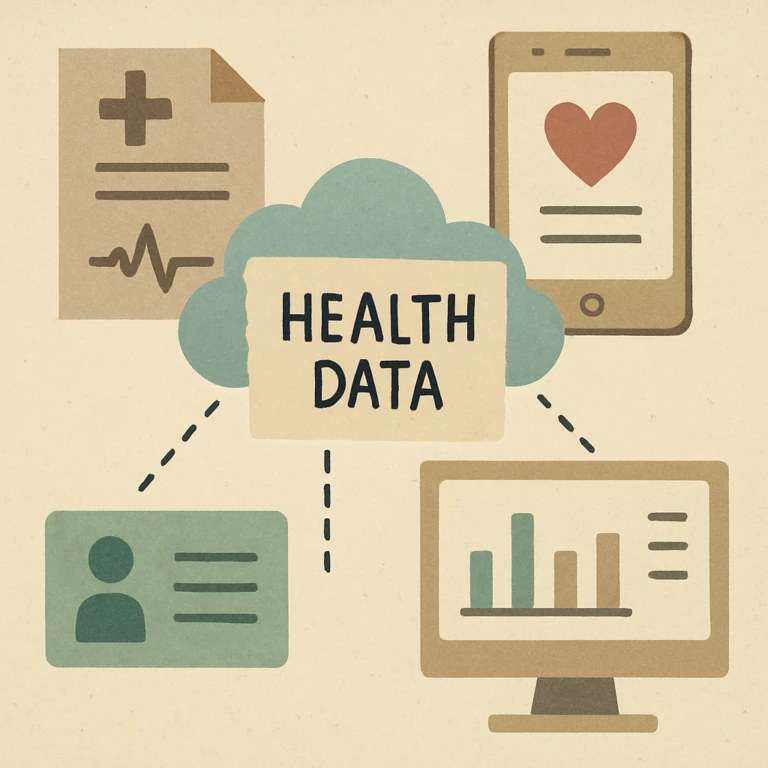
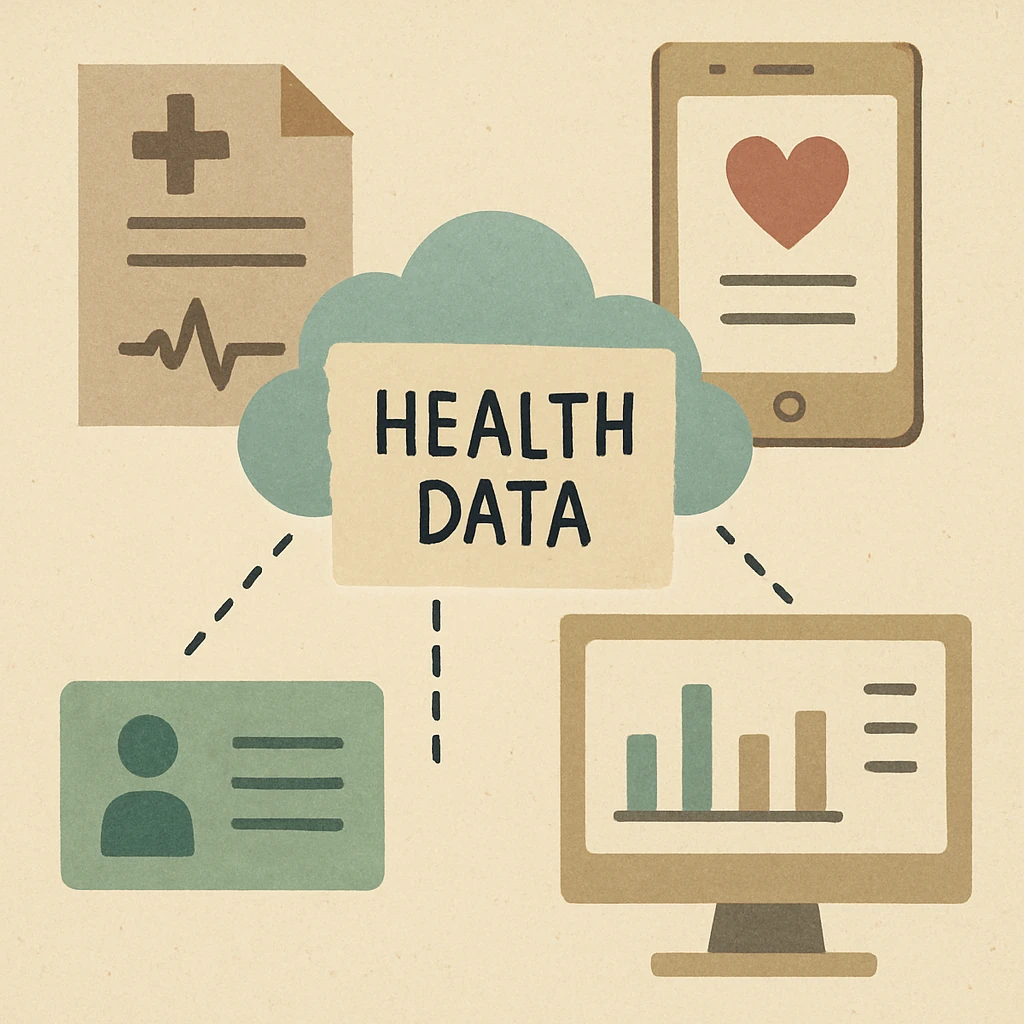
Health data fragmentation is a growing concern in today’s digital age. Patient information is scattered across various systems and platforms. This scattering can lead to incomplete records, affecting the quality of care.
Why does this happen? Different data formats, lack of standardization, and interoperability issues are major culprits. These challenges make it difficult to integrate data effectively.
Healthcare data solutions aim to address these issues by unifying disparate data sources. Effective health data management is crucial for improving patient outcomes and operational efficiency.
Understanding the reasons behind data fragmentation is essential. It helps in developing strategies to overcome these challenges.
In this article, we will explore why your health data is scattered and why it matters.
What Is Health Data Fragmentation?
Health data fragmentation occurs when patient information is split across different systems. This fragmentation is prevalent in modern healthcare settings. It creates significant barriers to effective patient care and management.
In simple terms, health data fragmentation means your medical information is not stored in one cohesive place. Instead, it’s scattered across multiple records and platforms. These include hospitals, clinics, and labs with differing electronic health record (EHR) systems. Each system may store a part of your health history.
A few key points about health data fragmentation include:
- Inefficient data sharing
- Duplicated records
- Potential for errors
The consequences of this fragmentation are numerous. It can lead to delays in treatment and repeat tests that increase healthcare costs. Additionally, it can cause confusion among healthcare providers. Consequently, patients may receive suboptimal care.
Understanding this concept is pivotal. It sets the stage for grasping the urgency of solving this critical issue in healthcare.
Why Does Health Data Get Fragmented?
The fragmentation of health data primarily results from the complex nature of healthcare systems. Numerous healthcare facilities and providers use varied electronic health record (EHR) systems. Each system may have its format, complicating seamless data exchange.
Several factors contribute to data fragmentation. One major issue is the lack of standardization across platforms. This absence of common standards makes it difficult for systems to communicate effectively.
Here are some of the main reasons for health data fragmentation:
- Diverse EHR systems from different vendors
- Inconsistent data formats and terminologies
- Limited interoperability capabilities
The rapid advancement of medical technologies also contributes to fragmentation. As new systems are introduced, old data often remains isolated. This lack of integration between old and new systems exacerbates the problem.
Moreover, security and privacy concerns play a role. Healthcare providers might be hesitant to share data due to potential risks. This cautious approach can lead to data silos, where information is isolated rather than shared. Overall, these challenges highlight the need for efficient data solutions to overcome fragmentation.
The Impact of Fragmented Health Data
Fragmented health data significantly impacts patient care and outcomes. Incomplete or inaccessible records can lead to misdiagnoses or delays in treatment. This can increase risks for patients and prolong their recovery.
Healthcare providers face challenges due to fragmented data. They may have to reorder tests or procedures when previous results aren’t available. This redundancy can inflate healthcare costs and burden patients with unnecessary medical interventions.
Fragmentation affects not only patient care but also research and policy-making. Incomplete data sets can lead to inaccurate research findings. This can hamper efforts to improve public health strategies.
Here’s how fragmented data affects healthcare:
- Delayed or inaccurate diagnoses
- Increased healthcare costs due to repeated tests
- Complicated research and data analysis
The lack of integrated data also complicates chronic disease management. Patients with long-term conditions need cohesive and comprehensive records. Without unified information, managing these diseases becomes more complex.
Ultimately, fragmented health data can erode trust in healthcare systems. Patients may lose confidence in providers who seem uninformed. Addressing fragmentation is essential for efficient and reliable healthcare.
Data Integration Challenges in Healthcare
Healthcare data integration faces several significant challenges. Incompatible data formats complicate sharing among healthcare systems. Each system might use different standards, making integration difficult.
Interoperability remains a major hurdle in health data management. Systems need to communicate effectively for seamless data exchange. However, varying protocols and standards hinder this interoperability.
Security and privacy concerns add another layer of complexity. Protecting sensitive patient information is essential. Balancing accessibility with stringent security measures can be challenging.
Here are key integration challenges:
- Differing data standards and formats
- Lack of interoperability among systems
- Balancing data accessibility with privacy
Healthcare providers also struggle with legacy systems. Older systems might not support modern data sharing technologies. Upgrading these systems requires significant investment and effort.
Finally, the volume of data continues to grow. Integrating large amounts of data across different platforms is daunting. Ensuring that data remains accurate and up-to-date adds to this challenge.
Addressing these issues requires coordinated efforts across the healthcare industry. Innovative solutions, like cloud-based integration and APIs, show promise. These tools help facilitate better data sharing and management.
Healthcare Data Solutions: What’s Working and What’s Next?
Healthcare data solutions are evolving rapidly. These solutions aim to create a cohesive view of patient health. Integration tools and platforms are essential for unifying disparate data sources.
Cloud-based solutions are becoming more popular. They centralize data storage, enabling easier access across locations. This approach reduces data silos and enhances accessibility for providers.
Health Information Exchanges (HIEs) also play a critical role. These systems facilitate data sharing among different healthcare entities. HIEs provide a way to gather and distribute patient information efficiently.
Emerging technologies promise to revolutionize data management:
- Artificial Intelligence (AI) for data analysis
- Blockchain for secure data transactions
- APIs for seamless system integration
The future of healthcare data solutions is bright. AI and machine learning analyze complex datasets for insights. This analysis supports personalized medicine and treatment plans.
Blockchain, with its secure transaction capabilities, could enhance data security. It offers a trustworthy way to share information while maintaining privacy. As these technologies mature, expect more robust data integration.
Patient engagement is crucial, too. Providing patients access to their health data fosters involvement. It encourages individuals to take an active role in their health management.
The Role of Health Data Management and Interoperability
Effective health data management is crucial in today’s healthcare landscape. With vast amounts of data generated daily, managing this information systematically is vital. Health data management ensures that data is secure, accessible, and useful for improving patient care.
Interoperability is a key component of successful data management. Systems that can communicate seamlessly allow for the efficient exchange of information. This capability aids in providing comprehensive patient views, which enhance decision-making in clinical settings.
Standardization is a significant step towards achieving interoperability. It involves adopting common formats and terminologies across systems. This approach simplifies data sharing, reduces redundancy, and minimizes errors.
Critical aspects of health data management include:
- Implementing security protocols to safeguard patient information
- Developing user-friendly systems to ensure wide adoption
- Establishing standardized data formats for easier integration
As healthcare continues to evolve, the role of interoperability becomes even more important. Without it, fragmented data can disrupt continuity of care. Efforts to improve data management and interoperability are essential for the future of healthcare.
Real-World Examples: Fragmentation in Action
Health data fragmentation is not just a theoretical problem. It plays out in hospitals and clinics worldwide. Consider the case of a patient visiting different specialists. Each specialist may have their own system, creating siloed data.
During an emergency, fragmented data can delay treatments. This delay occurs if clinicians lack access to complete patient information. It could lead to redundant tests or misdiagnoses.
Telemedicine presents another challenge. While convenient, it can increase fragmentation if data from virtual visits remains separate from physical records. This segregation complicates comprehensive care and continuity.
Real-world cases where fragmentation impacts healthcare:
- A patient receives conflicting treatment plans due to incomplete records.
- Duplicate tests performed because of inaccessible prior results.
- Delayed diagnosis due to missing patient information in an emergency scenario.
Addressing these issues is crucial. Integrating disparate data sources will improve care quality and efficiency. Moving towards holistic data systems ensures better health outcomes.
Moving Forward: How to Address Health Data Fragmentation
Addressing health data fragmentation requires a multifaceted approach. Technology plays a pivotal role here. Cloud-based systems offer promising solutions by centralizing patient information across platforms.
Interoperability standards are key. They allow different systems to communicate effectively. This communication can reduce fragmentation by ensuring consistent data sharing.
Policymaker support is crucial for standardization and data sharing regulations. Incentives for adopting compatible systems can accelerate this process. Collaborative efforts between stakeholders foster a shared vision of comprehensive data integration.
Practical steps to reduce fragmentation:
- Implement cloud-based unified storage for health records.
- Develop and enforce interoperability standards for seamless communication.
- Encourage stakeholder collaboration through workshops and initiatives.
- Introduce incentives for healthcare systems adopting integrated technologies.
Patient engagement also helps. Encouraging patients to access and manage their own health data can reduce fragmentation. As more solutions emerge, reducing data fragmentation becomes increasingly achievable.
Conclusion: Why It Matters for the Future of Healthcare
Health data fragmentation isn’t just a technical issue. It affects every aspect of healthcare delivery. Patients feel its impacts, from misdiagnoses to delays.
Addressing fragmentation paves the way for personalized, efficient care. By integrating data, healthcare providers gain a complete view. This improves outcomes and patient satisfaction.
Ultimately, a well-connected healthcare system benefits everyone. It transforms how care is delivered and experienced. The future of healthcare hinges on resolving these challenges to harness the full potential of digital health.