
Introduction
High blood pressure often develops silently. Learn why monitoring your numbers now can prevent serious health complications down the road.
High blood pressure doesn’t announce itself. You won’t feel it building, won’t experience symptoms in most cases, and might not realize you have it until a doctor mentions it at a routine visit. This silent nature makes hypertension one of the most dangerous health threats you face—and why tracking your blood pressure numbers matters far more than you might think.
“High blood pressure is called the silent killer because people often have it without knowing. That’s why regular monitoring is your first line of defense.”
— American Heart Association
Why Is Blood Pressure the Silent Killer?
Your blood pressure measures the force of blood pushing against your artery walls. When this pressure stays elevated, it damages your arteries—slowly, invisibly, over years. This damage increases your risk for heart attack, stroke, kidney disease, and other serious conditions. The problem: most people with high blood pressure have no symptoms. You could have dangerously high readings and feel perfectly fine.
The American Heart Association estimates that about 1 in 3 American adults has high blood pressure, yet nearly half don’t realize it. Without regular monitoring, you’re essentially driving in the dark.
What Numbers Should You Know?
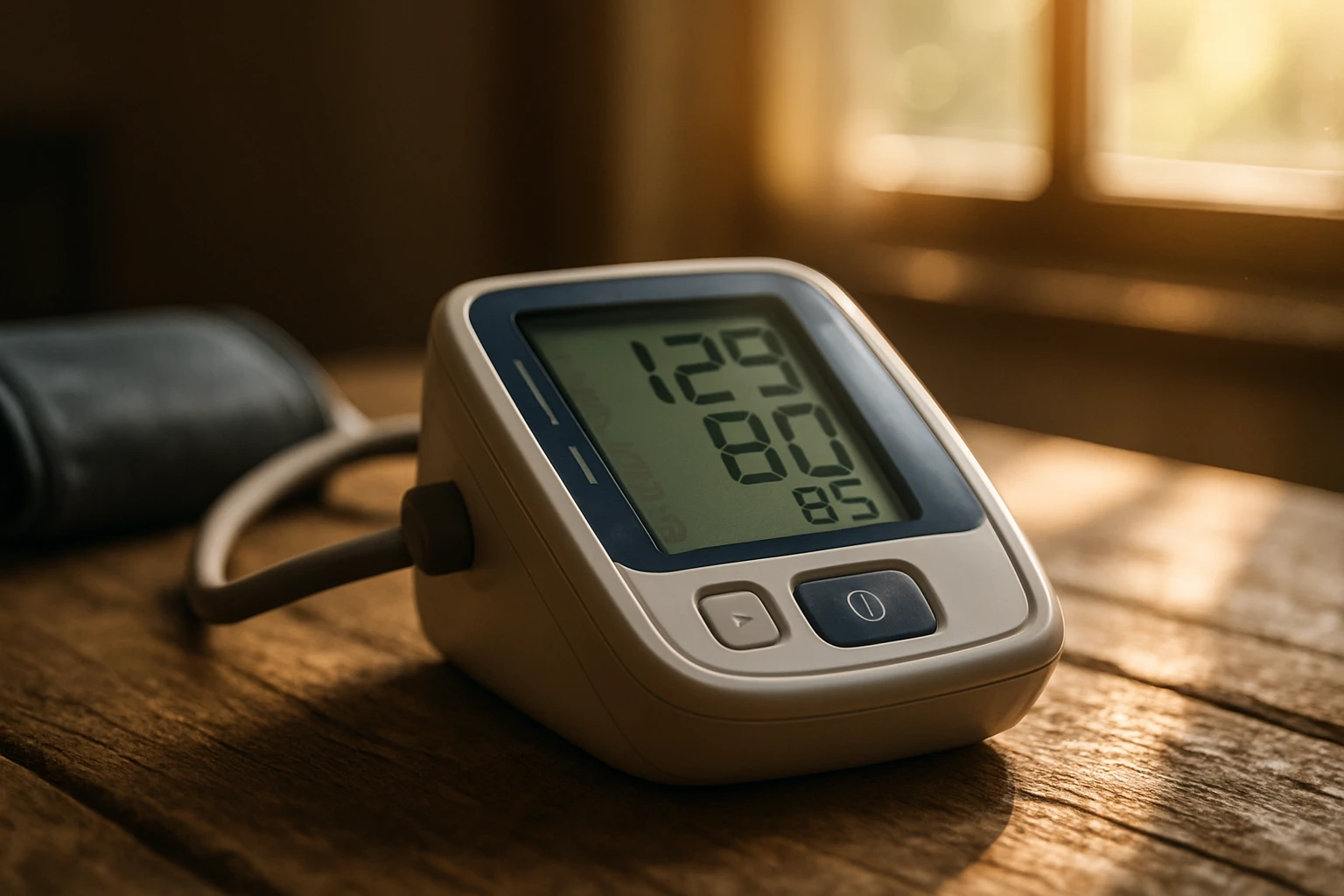
Understanding blood pressure readings is essential. Your reading has two numbers: systolic (the pressure when your heart beats) over diastolic (the pressure between beats). Normal blood pressure is less than 120/80 mmHg. Elevated is 120-129/<80. Stage 1 hypertension is 130-139/80-89. Stage 2 is 140 or higher/90 or higher.
Accuracy Note:
These guidelines reflect recommendations from the American Heart Association and American College of Cardiology as of 2023. Your doctor may have personalized targets based on your individual health profile, age, and risk factors. Always consult with your healthcare provider about what’s appropriate for you.
How Does High Blood Pressure Connect to Other Health Risks?
Blood pressure doesn’t exist in isolation. It’s closely connected to your cholesterol levels, blood sugar, and kidney function. High blood pressure accelerates damage to your kidneys, which then makes blood pressure harder to control—a vicious cycle. It also increases your risk for diabetes complications and makes heart disease more likely.
That’s why when you learn about the relationship between hypertension, cholesterol, and blood sugar, you start seeing your health as an interconnected system rather than isolated numbers. Your eGFR (kidney function) is particularly important to track alongside blood pressure.
What Role Do Sodium and Potassium Play?
These two minerals work like opposing forces in your body. Sodium tends to increase blood pressure by retaining fluid, while potassium helps relax blood vessel walls and reduce pressure. Most people consume too much sodium and not enough potassium, which creates an imbalance that drives up blood pressure.
Understanding your sodium intake and the role of potassium in your diet gives you leverage to make real changes. Reducing sodium from processed foods and adding potassium-rich vegetables and fruits can meaningfully lower your pressure. Many people are shocked to discover how much sodium hides in everyday foods.
Why Wait? The Power of Early Detection
Here’s what makes this so important: you don’t have to reach Stage 2 hypertension to start preventing damage. The power of early detection means catching elevated readings before they become high blood pressure. At the elevated stage, lifestyle changes alone can prevent progression. Once you reach Stage 2, you’ll likely need medication—which is effective, but prevention is always preferable.
- Regular monitoring: Check your blood pressure at home regularly, not just at doctor visits
- Track patterns: Note when your readings are higher (time of day, stress level, after salty meals)
- Understand your numbers: Know whether you’re in the normal, elevated, or hypertension ranges
- Act early: Don’t wait for a diagnosis—elevated readings are your wake-up call
What Can You Actually Do About High Blood Pressure?
The good news: blood pressure is one of the most controllable health markers. You have real power here. Many people can significantly lower their pressure through lifestyle changes—and those who need medication often need lower doses when combined with healthy habits.
Explore proven strategies by learning about how lifestyle changes can lower blood pressure. Regular exercise, stress management, limiting alcohol, and making dietary changes all have solid evidence behind them. This isn’t about perfection—it’s about direction.
Start Tracking Your Blood Pressure Today
Don’t let high blood pressure remain invisible. Get a home blood pressure monitor and begin tracking your readings. Your future self will thank you for the action you take now.
Next Steps: Building Your Monitoring Routine
You don’t need to overhaul your entire life tomorrow. But you do need to start monitoring. Get an accurate home blood pressure cuff, measure regularly (ideally in the morning and evening), and record your readings. Over time, you’ll see patterns that guide your decisions.
When you combine regular monitoring with an understanding of what drives your individual numbers, you move from reactive to proactive. That’s the shift that prevents complications. Your blood pressure is telling you something important—it’s up to you to listen.
Learn How Your Lifestyle Impacts Your Numbers
Discover the specific changes that work best for your body and health profile. Get personalized guidance on diet, exercise, and stress management.
Remember: high blood pressure is preventable and treatable. The only requirement is that you start paying attention to your numbers now, before they silently cause damage. Your health is worth the effort.