
Introduction
Imagine glancing at a single lab result and thinking, “All clear.” But what if that one data point is just a ripple in a larger tide of subtle health changes? That’s where the power of trends comes in—tracking lab results over time reveals patterns and emerging risks that a snapshot cannot capture. Trends are the difference between reacting to a number and understanding where you’re truly headed.
In real-world care, physicians rely on more than isolated values. An HbA1c of 6.7% could be encouraging if previous readings were 8.1%, or alarming if it was 5.9%—the trajectory truly matters. Similarly, small rises in liver enzymes like ALT or AST might fly under the radar until viewed as an upward trend, prompting early intervention before a serious condition develops.
Routine monitoring—say every 3 to 6 months—can help identify trends in biomarkers before symptoms arise. InsideTracker’s analysis shows that consistent retesting helps 80% of people optimize one or more previously unoptimized biomarkers, underscoring the value of longitudinal data for proactive health refinement. As multiple studies advise, applying reference values without context ignores natural biological and seasonal variation, which trend-based evaluation accommodates far better PubMed Analysis.
Technology is catching up to this need. When people grasp how their actions—like improving diet or exercise—directly influence biomarkers over time, they become active participants in their health journey. Trend-aware monitoring transforms lab results from static data into a dynamic story of progress, warning, or change.
In this article, we’ll explore how monitoring lab trends—not just single values—provides deeper insight, leads to earlier detection, and enhances both clinical decision-making and personal health optimization. You’ll discover concrete examples, effective platforms, and practical strategies to harness the full potential of biomarker tracking.
The Power of Identifying Trends in Lab Results
While a single lab value might show minor deviations, it’s the trends in lab results that hold the real power to revolutionize patient care and health management. Observing biomarkers over time offers a comprehensive view of an individual’s health trajectory, which can fundamentally alter diagnosis and treatment plans.
Understanding Health Trajectories
One compelling example of tracking lab trends over time is in the management of chronic illnesses like diabetes. By continually monitoring blood sugar levels, patients and doctors can identify patterns that may indicate insulin resistance or other complications. According to a study from the American Diabetes Association, consistent tracking of hemoglobin A1C levels can significantly improve treatment outcomes.
Ready to Take Control of Your Health Data?
Track your lab results in one place and understand how your biomarkers change over time. Get personalized insights and trending data.
Early Detection and Prevention
Early detection remains one of the strongest arguments for tracking lab results over time. For instance, monitoring cholesterol levels can help predict cardiovascular disease long before symptoms appear. A Heart Association report points out that understanding lab trends leads to proactive lifestyle adjustments and medication management that can prevent severe heart conditions.
Platforms like Beek Health enable healthcare providers to efficiently track these trends, offering patients actionable insights based on their biomarkers. This proactive approach is essential for addressing potential health issues before they become critical.
Assessing Treatment Efficacy
Tracking trends also enables healthcare professionals to assess the efficacy of treatments. For example, in oncology, monitoring tumor markers over time provides crucial data on how well a treatment is performing. An analysis from the National Cancer Institute confirms that changes in markers like CA-125 in ovarian cancer provide critical feedback on treatment effectiveness.
Real-World Applications
Real-world cases further illustrate the significance of lab trends. Consider autoimmune diseases such as rheumatoid arthritis. Rheumatology studies demonstrate that continuous monitoring of inflammatory markers can help adjust therapies and improve quality of life for patients.
These examples highlight that lab trends, rather than isolated values, offer a narrative of health that is vital for both individuals and healthcare providers. As the realm of personalized medicine expands, the capability to track lab results over time becomes an indispensable tool in the medical toolkit.
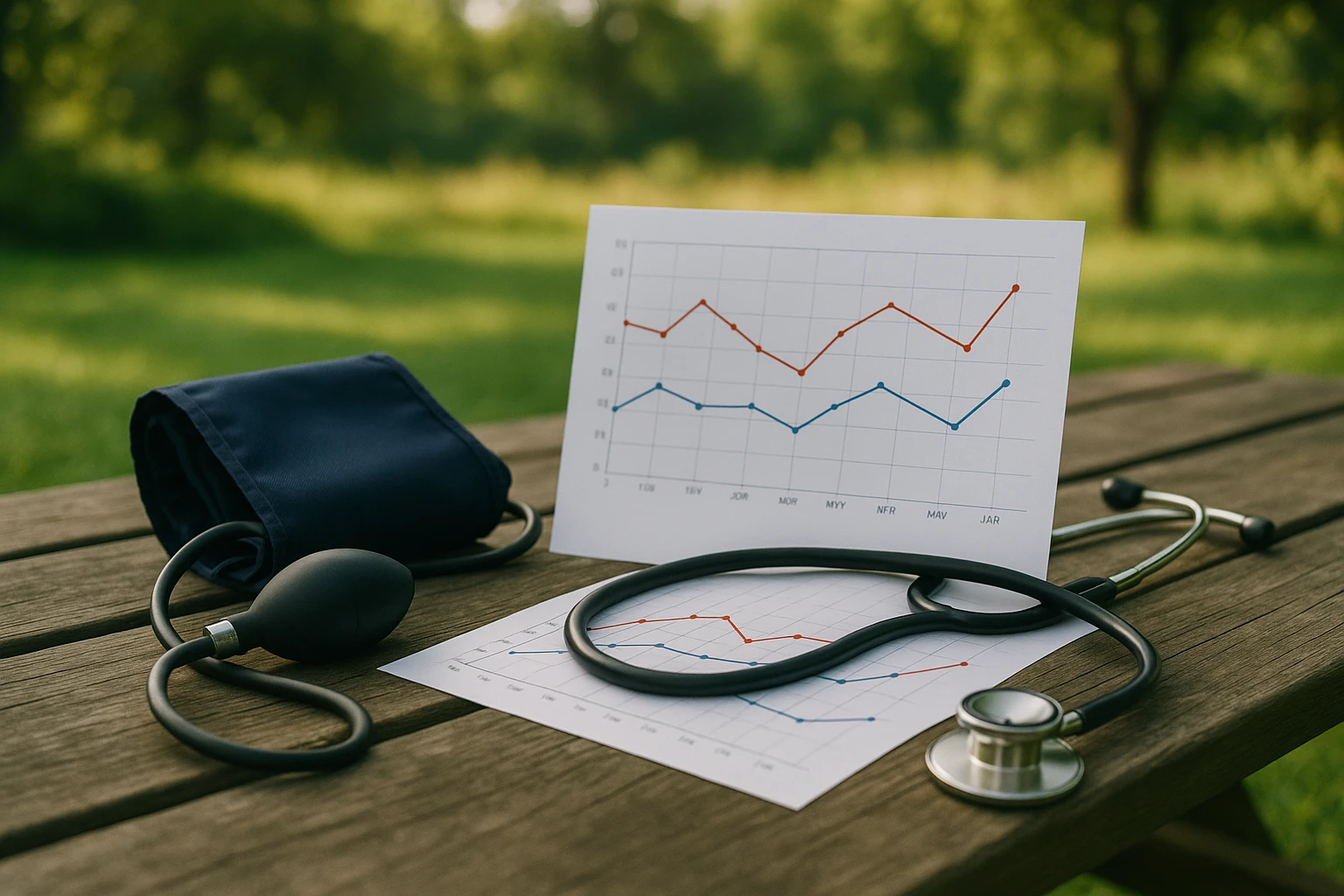
In a serene outdoor setting, medical instruments like a stethoscope and blood pressure cuff rest on a wooden picnic table beside a chart displaying lab result trends over months, with colorful lines indicating fluctuations in glucose and cholesterol levels.
Ready to Take Control of Your Health Data?
Track your lab results in one place and understand how your biomarkers change over time. Get personalized insights and trending data.
Conclusion: Embracing the Power of Lab Trends
Understanding why lab results matter more when you track them over time can transform how individuals navigate their health journeys. Trends in lab results offer invaluable insights that surpass the implications of isolated values. By observing changes in biomarkers, individuals can spot early signs of health issues, enabling timely intervention and management.
Consider the case of monitoring cholesterol levels. A single test might show slightly elevated cholesterol, not enough to trigger immediate concern. However, when tracked over time, a gradually increasing trend reveals a different story, suggesting lifestyle adjustments are necessary to prevent heart disease.
Another example is the management of diabetes. Continuous tracking of HbA1c levels can indicate how well a person is managing their blood sugar, far more effectively than a solitary test. According to the CDC, patterns in HbA1c help predict diabetes complications, allowing patients to make informed diet and medication adjustments.
Incorporating these actionable insights into daily routines requires reliable support systems. Consider taking advantage of platforms like Beek Health, which offer comprehensive tools for tracking lab trends. Their resources can guide users through understanding the nuances of biomarker tracking, promoting proactive health management.
The case of patient John Doe offers a practical illustration of this approach. Regularly tracking his kidney function tests helped him realize how subtle changes were affecting his health, leading to dietary changes that substantially improved his kidney health over six months.
To maximize the benefits, integrating routine tracking with professional healthcare guidance can greatly enhance outcomes. Start by scheduling regular lab tests and harnessing digital tools to keep a consistent record. This practice not only empowers you to take charge of your health but also provides healthcare professionals with a robust dataset to tailor medical advice effectively.
In conclusion, recognizing patterns through persistent monitoring of lab results is a cornerstone of preventative healthcare. By understanding the dynamics of lab trends, individuals unlock the potential to make informed decisions that foster long-term well-being. Begin your journey today by leveraging all available resources and embracing the power of knowledge.